Posts

Showing posts with the label Diabetes Technology

How Wearable Biosensors Are Changing Diabetes Care

Image
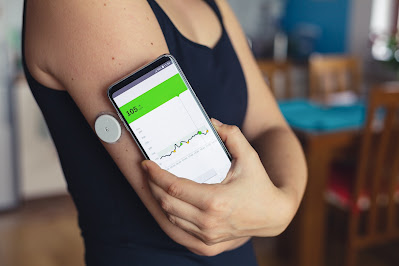
Diabetes care has evolved significantly over the years, and one of the most exciting advancements in recent times is the rise of wearable biosensors. These devices provide continuous monitoring of glucose levels, helping patients manage their condition more effectively and with greater ease.  Let's explore how wearable biosensors are revolutionizing diabetes care and improving the lives of those living with the disease. What Are Wearable Biosensors? Wearable biosensors are devices that are worn on the body to monitor specific physiological parameters. In the case of diabetes care, these biosensors typically monitor glucose levels in real-time, allowing individuals to keep track of their blood sugar without the need for frequent finger pricks.  These devices use sensors embedded in patches, rings, or even smartwatches to collect and transmit data to smartphones or other monitoring devices. How Do Wearable Biosensors Work? Most wearable glucose biosensors work by measuring the ...

How Personalized Nutrition Algorithms Are Helping Diabetics

Image
Managing diabetes is no longer just about counting carbs and avoiding sugar. With advancements in technology, personalized nutrition algorithms are transforming how diabetics plan their meals and control their blood sugar levels.  These algorithms analyze individual health data, dietary habits, and lifestyle factors to provide customized dietary recommendations, making diabetes management more effective and convenient than ever. What Are Personalized Nutrition Algorithms? Personalized nutrition algorithms use artificial intelligence (AI) and data analytics to create tailored meal plans based on factors such as: Blood glucose levels Dietary preferences and restrictions Physical activity Sleep patterns Genetic predispositions By combining these data points, the algorithm provides unique recommendations that help diabetics achieve better glycemic control while enjoying meals suited to their tastes and health goals. Related content: Advanced Glycemic Control Strategies for Night-Shift...

Shaking Sensor Continuously Monitors Inflammation

Image
An innovative breakthrough in medical technology has emerged with the development of a shaking sensor that can continuously monitor fluctuating levels of inflammation biomarkers within the body.  This implantable device, designed by scientists at Northwestern University, offers a new way to track proteins in real time, enabling better management of chronic and acute conditions, including diabetes. This groundbreaking technology is inspired by nature, specifically the way trees shake off ripe fruit. The sensor mimics this natural process, capturing proteins and then releasing them for analysis, making it possible to track inflammation markers like cytokines as they change over time. Real-Time Protein Tracking for Better Health Monitoring Tracking proteins in the body is a challenging task because proteins are much larger and more complex than small molecules like glucose. However, this innovative device allows researchers to monitor proteins continuously in  diab...

The Future of Diabetes Treatment: Emerging Therapies and Research Breakthroughs

Image
Diabetes is a chronic condition that affects millions of people worldwide, requiring ongoing management and monitoring to prevent complications. As science and medicine advance, new therapies and research breakthroughs are emerging that offer hope for more effective and convenient diabetes management.  This post will explore some of the most promising developments in diabetes treatment, including advancements in medications, technology, and potential cures. Advancements in Medications 1. Dual- and Triple-Agonist Therapies Recent research has focused on developing medications that target multiple pathways involved in diabetes. Dual-agonist and triple-agonist therapies, such as tirzepatide and cotadutide, combine the actions of different hormones like GLP-1, GIP, and glucagon.  These medications not only improve blood sugar control but also promote weight loss and cardiovascular health, addressing multiple aspects of diabetes management simultaneously. 2. SGLT2 Inhibitors Sodi...

How to Choose the Right Glucose Meter for Your Needs

Image
Selecting the right glucose meter is a critical decision for anyone managing diabetes . With an array of options available, it can be challenging to determine which meter will best meet your individual needs. The right glucose meter can provide accurate and timely readings, making it easier to manage your blood sugar levels effectively and prevent complications.  This guide will help you navigate the essential factors to consider when choosing a glucose meter , ensuring you make an informed choice that enhances your diabetes management. Understanding Glucose Meters Glucose meters are portable devices designed to measure the amount of glucose in your blood. They are essential tools for people with diabetes, enabling regular monitoring of blood sugar levels. These devices typically require a small blood sample, usually obtained through a finger prick, which is then applied to a test strip.  The meter reads the strip and displays the blood glucose level. Regular monitoring with a...

Innovations in Continuous Glucose Monitoring (CGM): Revolutionizing Diabetes Management

Image
Continuous Glucose Monitoring (CGM) has revolutionized diabetes management by providing real-time glucose readings and valuable insights. Recent advancements in CGM technology have significantly improved accuracy, convenience, and overall user experience.  Let's explore four innovative developments in CGM that are transforming the way individuals with diabetes monitor their blood sugar levels. 1. Enhanced Accuracy with Advanced Algorithms and Calibration Techniques: Earlier CGM systems faced challenges regarding the accuracy of glucose readings. However, recent innovations have addressed these limitations by incorporating advanced algorithms and calibration techniques.  These improvements have resulted in newer sensors offering greater precision, reducing the risk of incorrect insulin dosing decisions. By having access to more accurate readings, individuals can achieve better glycemic control, leading to improved overall health outcomes. 2. Integration of Artificial Intellige...