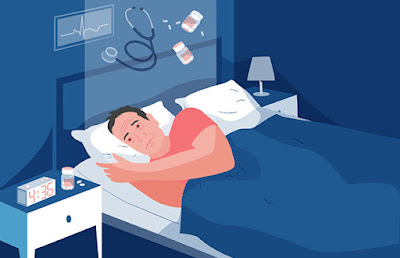


Diabetes and sleep disorders have a bidirectional relationship, with each condition exacerbating the other. The prevalence of sleep disorders among individuals with diabetes is higher than that of the general population. Conversely, sleep disorders such as obstructive sleep apnea (OSA) and insomnia can increase the risk of developing diabetes and worsen glycemic control. This article will explore the link between diabetes and sleep disorders, their impact on health, and management strategies available.
1. Obstructive Sleep Apnea (OSA)
Obstructive Sleep Apnea (OSA) is a sleep disorder characterized by the repetitive collapse of the upper airway during sleep, leading to intermittent pauses in breathing. Among individuals with diabetes, the prevalence of OSA is significantly higher compared to the general population.
2. Insomnia
Insomnia, characterized by difficulties falling asleep, staying asleep, or experiencing non-restorative sleep, is another prevalent sleep disorder among individuals with type 2 diabetes. Insomnia and diabetes share a bidirectional relationship. On one hand, individuals with diabetes are more likely to experience insomnia due to factors such as nocturnal hypoglycemia, peripheral neuropathy, nocturia, and psychological distress related to diabetes management.
3. Restless Leg Syndrome (RLS)
Restless Leg Syndrome (RLS) is a neurological disorder characterized by an irresistible urge to move the legs, often accompanied by uncomfortable sensations. Individuals with diabetes have an increased prevalence of RLS compared to the general population. RLS can disrupt sleep and lead to fragmented sleep patterns, causing excessive daytime sleepiness and impaired cognitive function.
The Impact of Sleep Disorders on Health
1. Glycemic Control
Sleep disorders, including OSA, insomnia, and RLS, have a detrimental effect on glycemic control in individuals with diabetes. Poor sleep quality, insufficient sleep duration, and disruptions to the natural circadian rhythms can all contribute to elevated blood sugar levels and insulin resistance.
2. Cardiovascular Health
Sleep disorders are closely linked to an increased risk of cardiovascular disease, which is already elevated in individuals with diabetes. OSA, in particular, has been extensively associated with hypertension, atherosclerosis, arrhythmias, and endothelial dysfunction.
3. Mental Health
Sleep disorders can have a profound impact on mental health and overall well-being. Insomnia, OSA, and RLS are associated with an increased risk of depression, anxiety, and decreased quality of life. The constant fatigue and daytime sleepiness resulting from poor sleep quality can impair cognitive function, memory, and concentration. Managing both sleep disorders and diabetes is crucial for supporting optimal mental health in affected individuals.
Management Strategies for Diabetes and Sleep Disorders
1. Lifestyle Modifications
Lifestyle modifications play a fundamental role in managing both diabetes and sleep disorders. Regular physical activity, weight loss (when appropriate), and stress reduction techniques such as meditation and relaxation exercises can improve sleep quality and glycemic control. Exercise not only helps regulate blood sugar levels but also aids in promoting restful sleep. Weight loss, particularly in individuals with OSA, can significantly improve the severity of sleep apnea.
2. Continuous Positive Airway Pressure (CPAP)
Continuous Positive Airway Pressure (CPAP) therapy is the gold standard treatment for individuals with OSA. CPAP involves wearing a mask that delivers pressurized air, preventing the upper airway from collapsing during sleep. By ensuring a continuous flow of oxygen, CPAP therapy effectively reduces apnea episodes, improves blood oxygen levels, and alleviates associated symptoms. Furthermore, CPAP therapy has been shown to positively impact glycemic control in individuals with diabetes and OSA.
3. Medications
In some cases, medications may be prescribed to manage sleep disorders such as insomnia or RLS. However, it is essential to consult with a healthcare professional before initiating any pharmacological treatment. Sedatives and hypnotseducers may be prescribed to promote sleep in individuals with insomnia, while dopaminergic agents or iron supplements may be recommended for those with RLS. It is crucial to find the right balance and optimize medication use, taking into consideration potential interactions with diabetes medications and any other underlying health conditions.
4. Sleep Hygiene
Adopting healthy sleep habits and practicing good sleep hygiene is essential for individuals with diabetes and sleep disorders. This includes maintaining a consistent sleep schedule, creating a comfortable sleep environment, avoiding stimulating activities or substances close to bedtime (such as caffeine and electronics), and establishing a relaxing bedtime routine. Implementing these practices can help regulate the body’s natural sleep-wake cycle and promote better sleep quality.
5. Regular Monitoring and Communication with Healthcare Providers
Regular monitoring of both diabetes management and sleep disorder symptoms is crucial for optimal health outcomes. It is essential to regularly check blood sugar levels, adjust diabetes medications if needed, and communicate any changes or concerns with healthcare providers.
Conclusion
In conclusion, sleep disorders have a significant impact on individuals with diabetes, affecting glycemic control, cardiovascular health, and overall well-being. Understanding the relationship between diabetes and sleep disorders is essential for effective management.
Sources:
1. https://www.ncbi.nlm.nih.gov/pmc/articles/PMC4268063/